But before you install one, there are a few important things to consider. Here's how to know if your home is ready for a backup generator—and what steps to take to make it happen.
Why You Might Need a Backup Generator
Power outages are on the rise due to extreme weather, aging infrastructure, and increased energy demand. A generator helps you:
- Keep the lights on during an outage
- Power critical appliances like fridges, sump pumps, and medical devices
- Stay connected for work and emergency alerts
- Avoid flooding, spoiled food, or frozen pipes
Types of Backup Generators
Portable Generators
- Lower upfront cost
- Must be manually started and fueled (usually with gasoline)
- Typically powers a few items via extension cords or a manual transfer switch
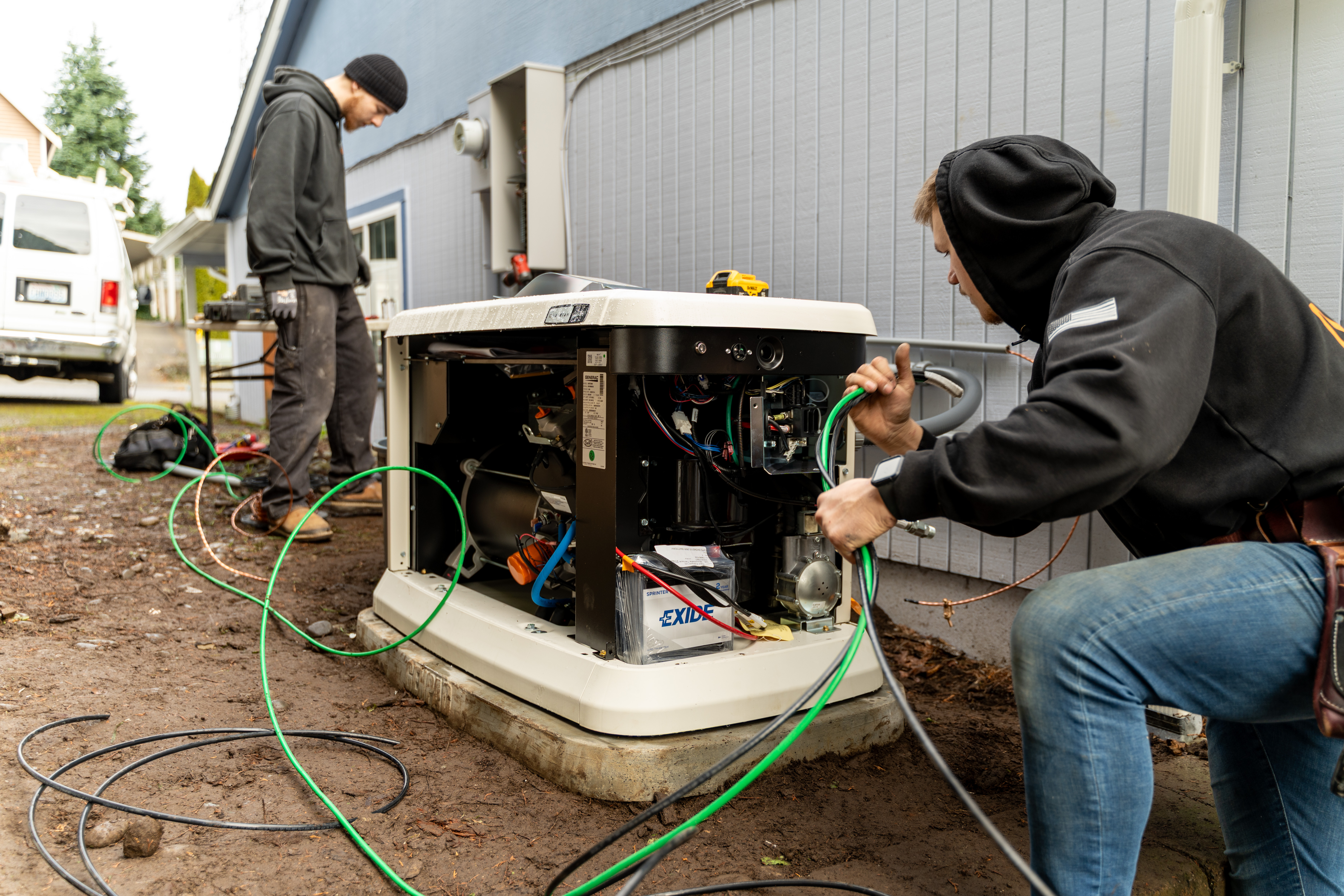
Standby (Whole-House) Generators
- Permanently installed and automatic
- Runs on natural gas or propane
- Powers the entire home or selected circuits
- Safer, more convenient, and no refueling needed
Is Your Home Generator-Ready? Here's the Checklist
1. Do You Have the Right Electrical Panel?
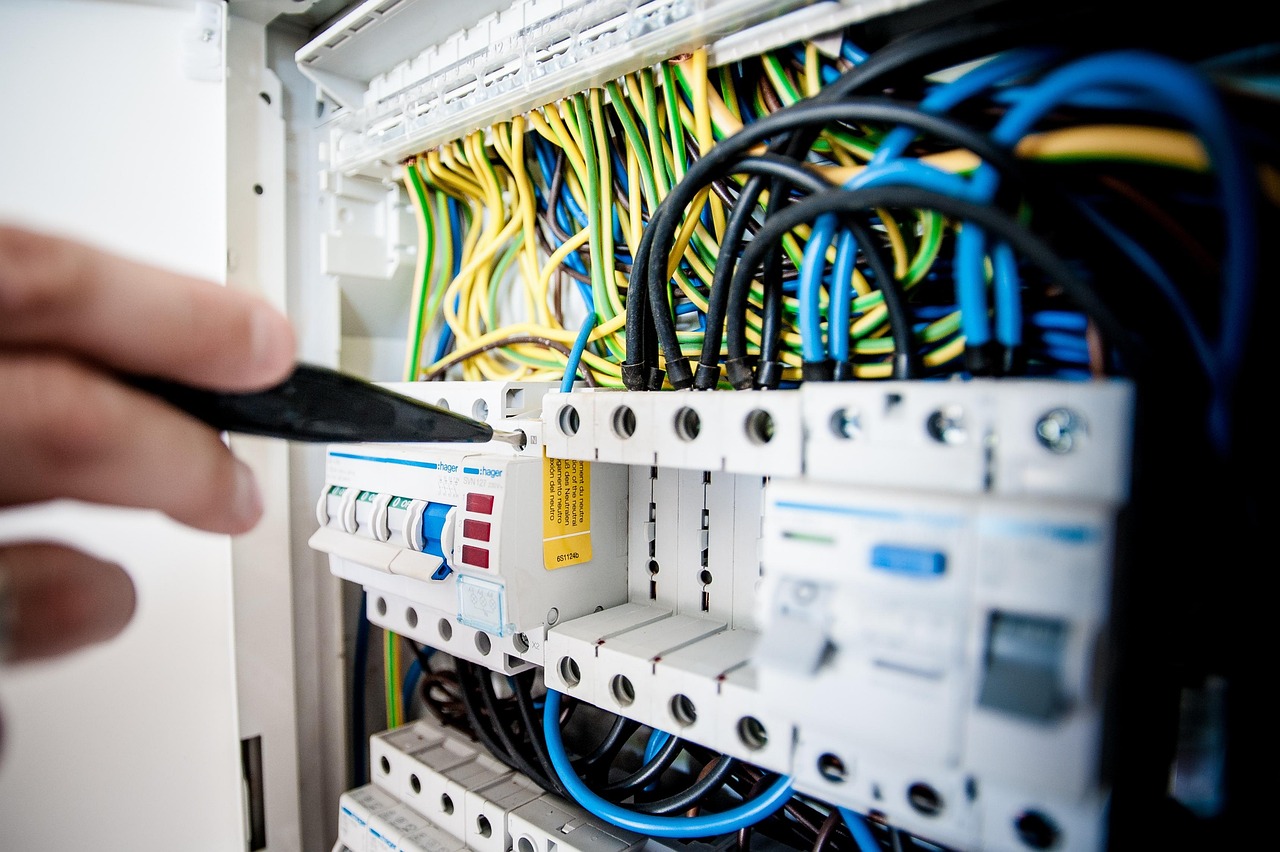
You'll need space in your electrical panel to install a transfer switch—which controls which circuits the generator powers.
Tip: An older panel may need upgrading before a generator can be safely installed.
2. Do You Have Natural Gas or Propane Access?
Whole-house generators usually run on natural gas or propane, meaning no constant refueling like with a gas can. If you don't have access, a propane tank install may be required.
3. Do You Know What You Want to Power?
Not all generators are created equal—some power essentials only (like fridge, lights, and Wi-Fi), while others run everything (HVAC, water heater, stove, etc.). We'll help you determine what size and type of generator fits your lifestyle.
4. Do You Have a Safe Spot for Installation?
Generators must be installed outdoors with proper clearance from windows, vents, and doors—just like an A/C unit. Permits and code compliance are often required—don't skip the pro install!
5. Do You Want a Manual or Automatic System?
Automatic systems detect outages and switch on instantly—no running outside in the rain. Manual systems cost less, but require you to flip the switch and manage the load.
Professional Generator Installation: What to Expect
When you hire a licensed electrician, here's how we help:
- Evaluate your electrical panel and fuel source
- Recommend the right generator size for your home
- Install a manual or automatic transfer switch
- Ensure local code compliance and safety standards
- Coordinate with gas/plumbing if needed
Why Now Is the Time to Get Ready
Don't wait for the next outage to start thinking about backup power. Generator demand often spikes after storms and blackouts, leading to long wait times. Installing before summer storms, wildfire season, or winter freezes ensures your home is protected year-round.
Ready to Power Up Your Peace of Mind?
Let us help you choose and install the right generator system for your home. Schedule a free consultation today by calling (425) 737-1905 or contacting us online.